
- 13
- Jan
Shebag 2026 Dior bags (Jan 2026 updated)
Shebag 2026 Dior bags (Jan 2026 updated)
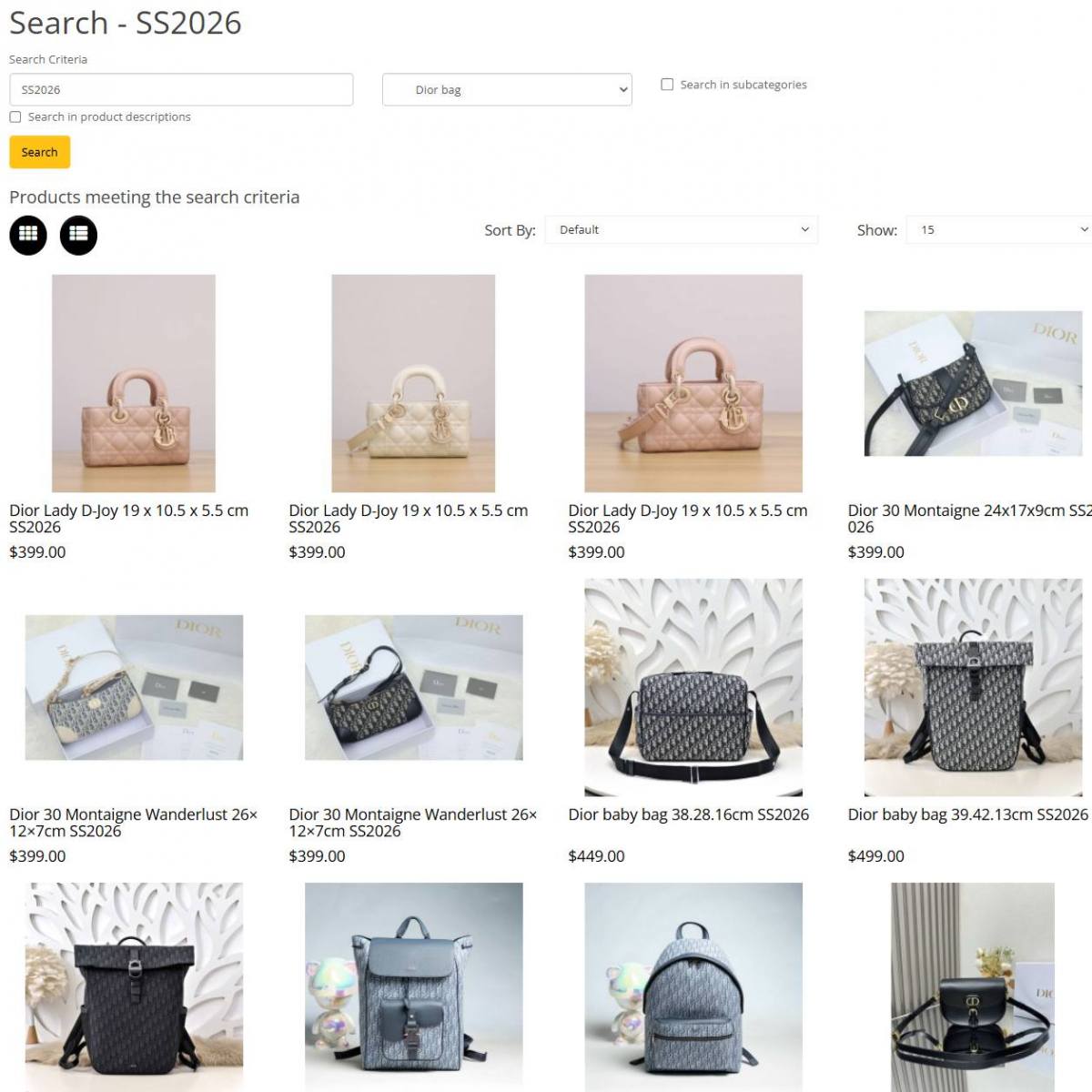
Come check out which Dior bags Shebag is currently producing! Lady Dior? Of course, and many are the East-West versions.
Shebag specializes in the leather supply chain. What is the difference between Dior lambskin and Chanel lambskin? Does Dior use LVMH Group leather suppliers, or do they have their own leather factories? Why can Shebag obtain the same lambskin from France and Italy as Dior?
Today, Shebag analyzes Dior’s leather supply chain once again, because top-tier replica bags require top-tier leather—specifically, the exact same upstream supply chain as the authentic bags.
- The Supply Side: “Conglomerate-Led + Long-Term Partnership” rather than “Complete Self-Ownership”
As a brand within the LVMH system, Dior’s leather supply is typically secured through “upstream capability platforms” like LVMH Métiers d’Art. This platform locks in materials, environmental compliance, and production capacity by establishing long-term partnerships with external top-tier tanneries and mégisseries (factories specializing in sheepskin/calfskin). LVMH publicly describes the positioning of Métiers d’Art as ensuring “exquisite tanning, sustainability, innovation, and supply security” at the upstream material level.
- “Lambskin = Small Ovine Leather”: Higher Quality Volatility Requires Stricter Grading
Lambskin is naturally thinner, softer, and more prone to issues such as insect bites, scratches, uneven grain, loose grain, wrinkles, and color variations. High-end brands rely on two things to stabilize the finished product:
- Upstream: Stricter management of raw hide grading, origin, and the slaughter chain.
- Midstream: Finer control over retanning, fatliquoring, and finishing windows (otherwise, softness, rebound, and luster will be inconsistent).
- Dior’s Lambskin Style: Delicate, Uniform, and Visually Premium
Dior’s finished lambskin style leans towards a “delicate, uniform, and premium visual,” often utilizing a semi-aniline or light finishing route. The advantage of this route is a strong sense of touch and luxury; the disadvantage is that it is more “delicate” (prone to scratches, dye transfer, and oil stains). Therefore, you will see that Dior usually has a lower tolerance for surface defects, which is backed by “pickier skin selection + stricter surface control.”
- Industry reports mention that Les Tanneries Roux has long supplied multiple luxury brands, including Christian Dior, and was acquired by LVMH in 2012.
- Roux has also been named in recent LVMH external material exhibitions as one of the key tanneries under Métiers d’Art.
Important Boundary: Official and industry reports emphasize Roux’s capabilities in high-end leather (commonly calfskin); public data rarely pinpoints whether “Dior’s lambskin comes from a specific line/batch at Roux” down to the specific bag model. Therefore, we cite this as evidence of a “confirmed supply relationship/network.”
LVMH’s public material exhibitions list companies including Masoni, Roux, Heng Long, and Verdeveleno (covering tanning and exotic skins). This indicates that Dior possesses “upstream locking capability” at the group level, but it does not mean Dior’s lambskin definitely comes from all these companies (e.g., Heng Long/Verdeveleno lean more towards exotic skin chains). Sheepskin is usually handled by mégisseries specializing in small skins. Dior does not disclose a full list; cases that can be publicly verified are more common with Chanel (see below), while Dior tends to present a “Group Platform + Long-Term Partner Tannery” morphology.
The Technical Details of Quality Control:
- Raw Hide Entry Grading: Cutting out risks like insect bites, cuts, and loose grain at the front end. The “usability rate” of sheepskin determines cost and stability. High-end brands tend to grade more finely, preferring higher waste rates to ensure consistent finished visuals.
- Key Window Control:
- Thickness (splitting/shaving) determines whether the bag is “stiff or collapsing” and its wear resistance.
- Fatliquoring and Retanning determine whether the leather is “soft/smooth/dry” and its durability.
- Color Consistency determines the “stable repurchase experience for the same color and style.”
- Surface Defects vs. Finishing Strategy: Using “lighter finishing” in exchange for “more premium touch,” while raising selection standards. Light finishing exposes flaws more easily, so the selection must be pickier and inspection stricter; this is why many feel Dior lambskin is “delicate and premium but requires care.”
Comparisons: Dior vs. Chanel vs. Hermès
Dior vs. Chanel: Chanel leans more towards Active Holding/Acquisition to Lock Capacity
Chanel has been publicly reported to have acquired/controlled Mégisserie Richard (Millau), which specializes in sheepskin. It is explicitly stated that they excel in Lacaune sheepskin and can perform various innovative finishes (pearlescent, metallic, prints, etc.). Multiple reports also mention Chanel investing in/acquiring several leather-related suppliers (including sheepskin factories and tanneries) over the years.
Implication: Chanel’s lambskin (especially for the Classic Flap, the “face of the brand”) is treated more like a “Strategic Raw Material,” so upstream holding and locking are more direct. Dior relies more typically on the LVMH Métiers d’Art platform to achieve supply security and standardization.
Dior vs. Hermès: Hermès leans towards “Deep Self-Ownership + Extreme Traceability”
Hermès’ leather chain public information is the most complete:
- Hermès incorporates key tanneries into its system through acquisition/ownership (e.g., acquisitions of Tannerie d’Annonay and Tanneries du Puy are recorded in industry reports).
- Public documents show they own/operate multiple tanneries and emphasize supply chain traceability and management (including environmental and traceability measures for their own tanneries).
Hermès is more like a hybrid of “Leather Manufacturer + Leather Goods Brand,” pursuing long-term consistency, traceability, and a handmade system. Dior and Chanel are more like “Brand-Driven Material Systems,” locking in supply through group platforms or holding suppliers, but the overall “depth of self-ownership” is usually not as extreme as Hermès.